
You reach into your wallet at the grocery store checkout, fingers brushing against two nearly identical pieces of plastic. One links directly to your hard-earned savings; the other represents a revolving door of borrowed capital. To the casual observer, the choice seems trivial. A swipe is a swipe, right? However, the underlying mechanics of these two financial tools differ so fundamentally that choosing the wrong one in specific situations can cost you hundreds of dollars or leave you vulnerable to identity theft.
Understanding the nuance of the debit vs credit card debate requires looking past the convenience of the transaction. You must consider legal protections, psychological spending triggers, and long-term credit health. While both cards facilitate commerce, they operate under different federal regulations and offer vastly different layers of security. This guide explores the mechanics of both and highlights three critical scenarios where your choice of plastic dictates your financial safety and success.
The Fundamentals: How the Money Moves
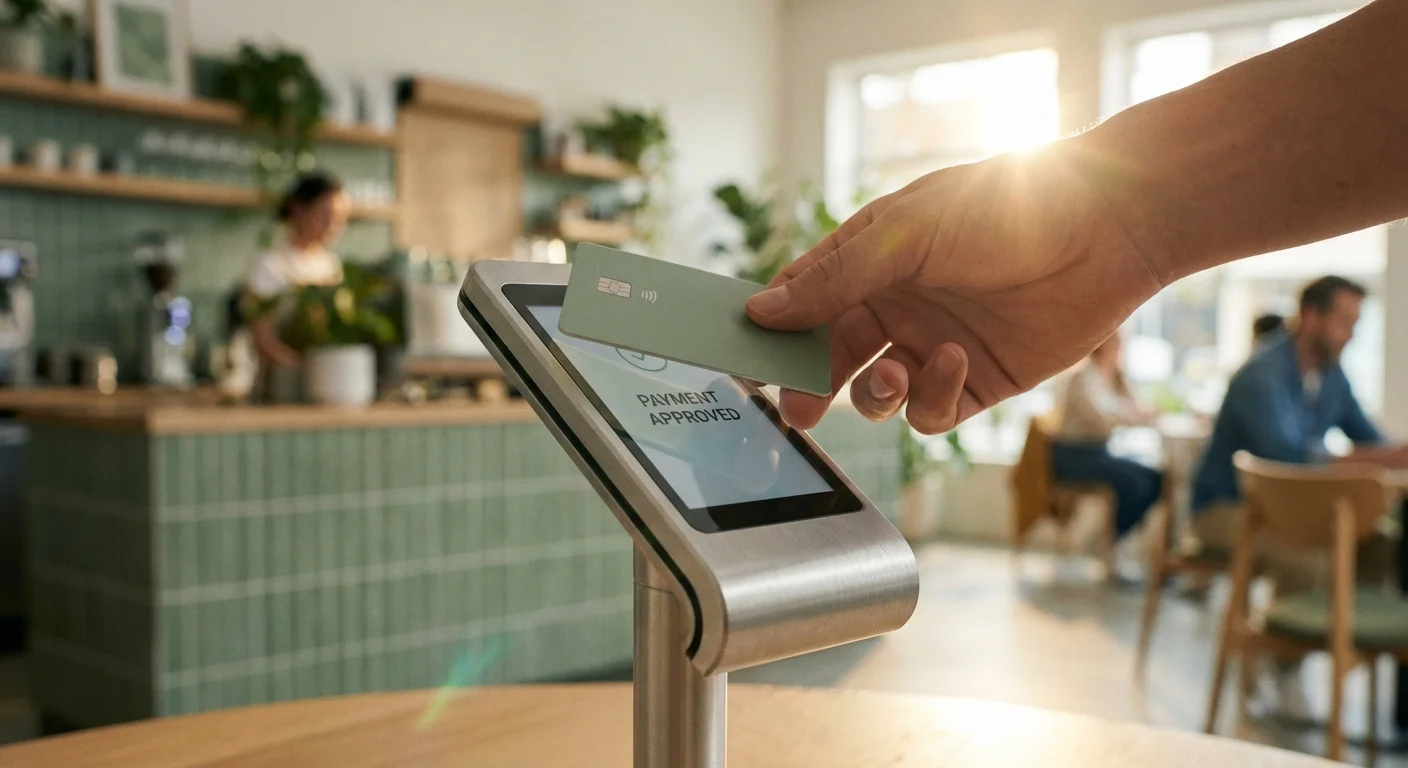
Before diving into specific scenarios, you must understand what happens behind the scenes when you authorize a transaction. When you use a debit card, you initiate an immediate transfer of funds. The merchant’s bank requests money from your bank, and the Electronic Fund Transfer Act (EFTA) governs the process. Because the money leaves your account almost instantly, you have a finite limit: the balance in your checking account.
Credit cards operate on an entirely different principle. When you swipe a credit card, the issuing bank pays the merchant on your behalf. You are not spending your money; you are spending the bank’s money. At the end of the billing cycle, the bank sends you a statement detailing your “loan” balance. You then have the option to pay the balance in full or carry it over—with interest. These transactions fall under the Fair Credit Billing Act (FCBA), which provides more robust consumer protections than the laws governing debit cards.

Quick Comparison at a Glance
| Feature | Debit Card | Credit Card |
|---|---|---|
| Source of Funds | Your checking account | Bank’s line of credit |
| Fraud Liability | Limited (varies by reporting time) | Capped at $50 by law (often $0) |
| Impact on Credit Score | None | Significant (positive or negative) |
| Interest Charges | None (but watch for overdraft fees) | High if balance is not paid in full |
| Spending Control | Natural limit based on balance | Requires high self-discipline |

Scenario 1: Large Purchases and High-Risk Transactions
Imagine you are purchasing a $2,000 refrigerator or booking a luxury vacation through a third-party website. In this scenario, the credit card is the undisputed winner. The primary reason involves the concept of leverage. When you use a credit card for a large purchase, you maintain control of your actual cash while the bank takes on the risk.
If that $2,000 refrigerator arrives dented or the travel agency goes bankrupt before your trip, the credit card gives you the power of the “chargeback.” Under the Consumer Financial Protection Bureau (CFPB) guidelines, you can dispute charges for goods or services that were not delivered as promised. Because you haven’t technically paid the bill yet, you can withhold the disputed amount while the bank investigates. The money stays in your bank account, earning interest and staying available for your mortgage or utilities.
If you use a debit card for that same $2,000 purchase, the money vanishes from your account the second you enter your PIN. While you can still dispute a debit transaction, the investigation process is more taxing. You are essentially asking the bank to go get your money back. During the weeks or months it takes to resolve the dispute, your bank account remains $2,000 lighter. This can create a terrifying domino effect of bounced checks and missed payments for other essential bills.
“Credit cards are the safest way to pay for anything. If there is a problem with the purchase, you can simply withhold payment while the issue is being resolved.” — Suze Orman, Personal Finance Expert

Scenario 2: Navigating the Travel Landscape
Travel presents a unique set of financial hurdles, specifically regarding “holds.” When you check into a hotel or rent a car, the company doesn’t know exactly how much your final bill will be. To protect themselves, they place a “block” or a “hold” on your card for the estimated total plus a safety margin for incidentals.
When you use a credit card, this hold simply reduces your available credit limit. It doesn’t affect your ability to buy groceries or pay rent. However, if you use a debit card, the bank “freezes” that amount in your checking account. A $500 security deposit for a rental car becomes $500 of your actual cash that you cannot spend. For many travelers, these holds can lead to accidental overdrafts or the embarrassment of a declined card at a restaurant, even if they have thousands of dollars in the bank.
Additionally, credit card protection is vital for international travel. Most premium credit cards offer “zero liability” policies. If a skimmer at a Parisian cafe steals your card info, the bank catches the fraudulent charges, and you are not out any cash. With a debit card, that thief is draining your actual livelihood. According to the Federal Trade Commission (FTC), your liability for unauthorized debit card use can be unlimited if you fail to report the loss within 60 days of your statement being mailed. Credit card liability, by contrast, is legally capped at $50.

Scenario 3: Everyday Budgeting and the “Pain of Paying”
While credit cards win on protection and travel, the debit card is often the superior tool for psychological management and strict budgeting. Research in behavioral economics suggests a concept known as the “pain of paying.” When you part with “real” money—cash or a debit transaction that immediately lowers your balance—your brain registers a higher level of discomfort than when you swipe a credit card.
If you find yourself struggling with “lifestyle creep” or impulsive spending, the debit card acts as a physical guardrail. You cannot spend $200 on a whim if your checking account only holds $150. Credit cards, with their high limits and delayed consequences, can mask the reality of your financial situation until the bill arrives 30 days later. For individuals in the process of getting out of debt, a debit-only lifestyle provides the clarity needed to regain control.
Consider the data on revolving debt. The Federal Reserve frequently reports that credit card interest rates average over 20% for accounts assessed interest. If you use a credit card for everyday items but fail to pay the balance in full, that $4 latte eventually costs you $6 or $7. In this scenario, the “rewards” or “cash back” offered by the credit card—usually 1% to 3%—are completely wiped out by the interest charges. If you aren’t 100% certain you can pay the bill in full every month, the debit card is your safest bet for everyday purchases.

Understanding the Fraud Protection Gap
The distinction between “when” you report fraud is the most critical technical detail in the debit vs. credit card debate. You must act quickly with debit cards to minimize your personal loss.
- Credit Card: If your card is lost or stolen, your liability is limited to $50. If the card number is stolen but you still have the physical card, your liability is $0.
- Debit Card (Reported before use): $0 liability.
- Debit Card (Reported within 2 business days): Your liability is limited to $50.
- Debit Card (Reported after 2 days but before 60 days): You could be liable for up to $500.
- Debit Card (Reported after 60 days): You may be liable for the entire amount stolen from your account, including any linked overdraft lines of credit.
This “ticking clock” makes debit cards inherently riskier for online shopping or any situation where your card information might be compromised. Since you might not check your bank statement daily, a thief could drain your account long before you realize there is a problem.

Building Your Credit Score: The Long Game
You cannot ignore the impact of your choice on your credit history. Debit cards do not report to the major credit bureaus (Equifax, Experian, and TransUnion). You could spend $10,000 a month on your debit card for twenty years and still have a “thin” credit file, making it difficult to qualify for a mortgage or a car loan.
Credit cards are one of the most effective tools for building a credit score. By using a credit card for small, manageable purchases and paying it off in full every month, you demonstrate “creditworthiness.” You show lenders that you can handle borrowed money responsibly. This history is essential for modern American life, affecting everything from your insurance premiums to your ability to pass a background check for a new apartment.

Avoiding Common Errors
Mismanaging your cards can lead to expensive mistakes. Avoid these common pitfalls to keep your finances on track:
- Using a Credit Card for Cash Advances: Never use your credit card at an ATM if you can avoid it. Cash advances usually carry a higher interest rate than purchases, and the interest starts accruing immediately—there is no grace period.
- Treating a Credit Limit as “Extra Money”: Your credit limit is not your net worth. Only spend what you currently have in your bank account, regardless of how high your credit limit is.
- Ignoring Debit Card Overdrafts: Some banks “protect” you by allowing a debit purchase to go through even if you don’t have the funds, then charging you a $35 fee for the privilege. Opt-out of overdraft protection if you want your card to simply be declined when the money isn’t there.
- Forgetting About “Zombie” Subscriptions: It is often easier to cancel a recurring charge on a credit card via a dispute than it is to stop an authorized “pull” from your checking account via debit.

When DIY Isn’t Enough
While the choice between debit and credit is usually straightforward, some situations require professional intervention. Consider seeking help from a National Foundation for Credit Counseling (NFCC) certified counselor if you encounter the following:
- The Debt Spiral: You find yourself using one credit card to pay off another, or you are consistently unable to pay more than the minimum balance.
- Identity Theft: If your social security number and bank details are compromised, simply “canceling the card” isn’t enough to secure your future.
- Credit Score Stagnation: You have been using credit responsibly for years but your score remains low, which may indicate errors on your credit report that require legal dispute.
Practical Next Steps for You
To optimize your card usage, you don’t need to choose one over the other exclusively. Most financially savvy individuals use a “hybrid” approach. Use your credit card for fixed expenses (like internet or insurance), travel, and online shopping to maximize protection and rewards. Simultaneously, use your debit card for “variable” spending—like dining out or entertainment—to keep yourself tethered to your actual budget.
Audit your wallet today. Do you know the fraud protection limits on your specific debit card? Does your credit card offer “extended warranty” protection for that laptop you’re planning to buy? A few minutes of research into your card’s benefits guide can save you from a major financial headache down the road. By intentionally choosing your card based on the scenario, you take a significant step toward total financial literacy.
This article provides general financial education and information only. Everyone’s financial situation is unique—what works for others may not work for you. For personalized advice, consider consulting a qualified financial professional such as a CFP or CPA.
Last updated: February 2026. Financial regulations and rates change frequently—verify current details with official sources.









Leave a Reply