
Most people assume that if they don’t have a car parked in their driveway, they have no reason to interact with an auto insurance agent. In a world of rising urban density, walkable cities, and efficient ride-sharing, “car-free” living has become a viable financial strategy for millions of Americans. However, not owning a vehicle doesn’t magically erase your personal liability when you sit behind a steering wheel. Whether you are borrowing a friend’s truck to move a couch, renting a sedan for a weekend getaway, or using a car-sharing service like Turo, you face significant financial risks every time you drive.
Non-owner auto insurance serves as a critical safety net for these exact scenarios. It provides liability coverage for drivers who do not own a vehicle but still find themselves on the road occasionally. While the concept might seem counterintuitive—insuring a person rather than a machine—it is one of the most cost-effective ways to protect your assets and your future insurability. This guide explores the mechanics of non-owner policies, why they are often mandatory for some, and how they can save you thousands of dollars in the long run.
The Essentials
- Non-owner insurance primarily provides liability coverage (bodily injury and property damage) when you drive a vehicle you do not own.
- It acts as secondary coverage, kicking in after the vehicle owner’s primary insurance limits have been exhausted.
- Maintaining a policy prevents “coverage gaps,” which insurance companies penalize with significantly higher rates when you eventually buy a car.
- It is often the most affordable way to fulfill state-mandated SR-22 or FR-44 requirements following a license suspension.
How Non-Owner Car Insurance Functions in the Real World
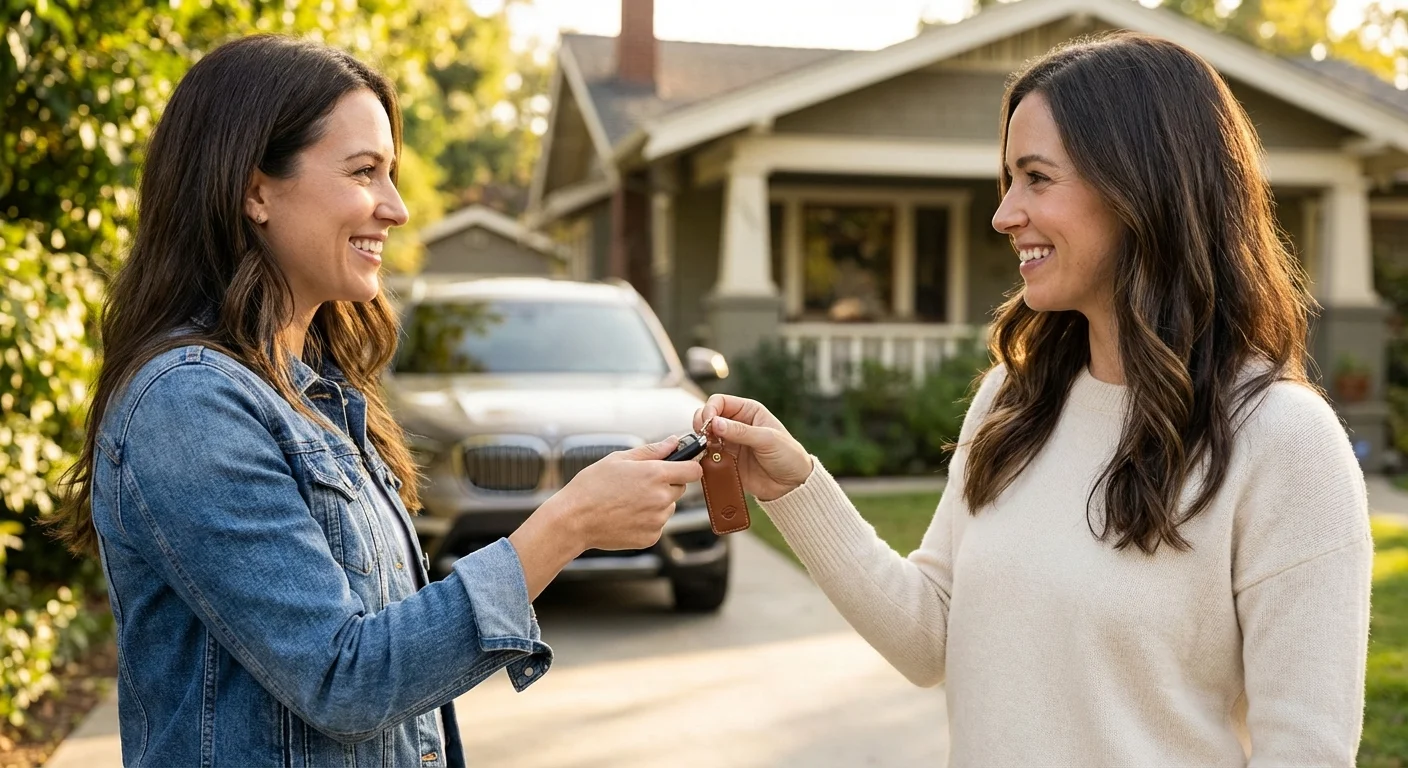
To understand non-owner car insurance, you must first understand the hierarchy of insurance claims. In the United States, insurance typically follows the car, not the driver. If you borrow your neighbor’s car and cause an accident, the neighbor’s insurance policy pays out first. However, what happens if your neighbor carries only the state-minimum liability limits—perhaps only $25,000 for bodily injury—and you cause $100,000 in medical damages? You, as the driver, are personally liable for the remaining $75,000.
This is where non-owner car insurance enters the picture. It provides a layer of liability protection that follows you. It covers the costs of injuries to others and damage to their property if the vehicle owner’s insurance is insufficient or non-existent. Without this policy, lawyers for the injured party can go after your personal savings, your home equity, and even garnish your future wages to settle the debt.
Crucially, these policies are strictly for liability. They do not include collision or comprehensive coverage. This means if you wreck your friend’s car, a non-owner policy will not pay to fix that car; it only pays for the damage you did to other people or their property. If you want to protect the vehicle you are driving, you must rely on the owner’s policy or specialized rental insurance.

The Financial Advantage of Continuous Coverage
One of the most overlooked benefits of non-owner insurance is its impact on your “insurance score.” Actuaries at major insurance companies view any gap in your insurance history as a red flag. Statistically, drivers who let their insurance lapse—even because they sold their car and simply didn’t need it—are considered higher risk when they return to the market. According to data from various industry trackers, a driver with a 30-day lapse in coverage can see their premiums jump by 15% to 35% when they finally purchase a new vehicle.
By carrying a non-owner policy while you are car-less, you maintain a record of continuous coverage. When the time comes to buy a vehicle again, you will qualify for “loyalty” or “continuous coverage” discounts. For many, the annual cost of a non-owner policy—which typically ranges from $200 to $500 per year—is entirely offset by the savings they receive on their first year of standard premium once they own a car again.
“The best way to save money on insurance is to never let your coverage lapse. Insurance companies reward stability and consistency over almost any other factor.” — Jean Chatzky, Financial Journalist and Educator

When the State Requires an SR-22 or FR-44
For some drivers, non-owner insurance isn’t a choice—it is a legal requirement to keep their driving privileges. If you have been convicted of a DUI, reckless driving, or driving without insurance, your state may require you to file an SR-22 (or an FR-44 in states like Florida and Virginia). This is not actually “insurance,” but rather a certificate filed by an insurance company with the state to prove you have the required liability coverage.
If you don’t own a car but need to fulfill this requirement to get your license reinstated, a non-owner policy is your only path forward. It is significantly cheaper than a standard policy because the insurer knows you don’t have regular access to a vehicle, reducing their overall risk exposure. You can learn more about consumer protections regarding insurance filings at the Consumer Financial Protection Bureau (CFPB).
Comparing Non-Owner vs. Standard Auto Insurance
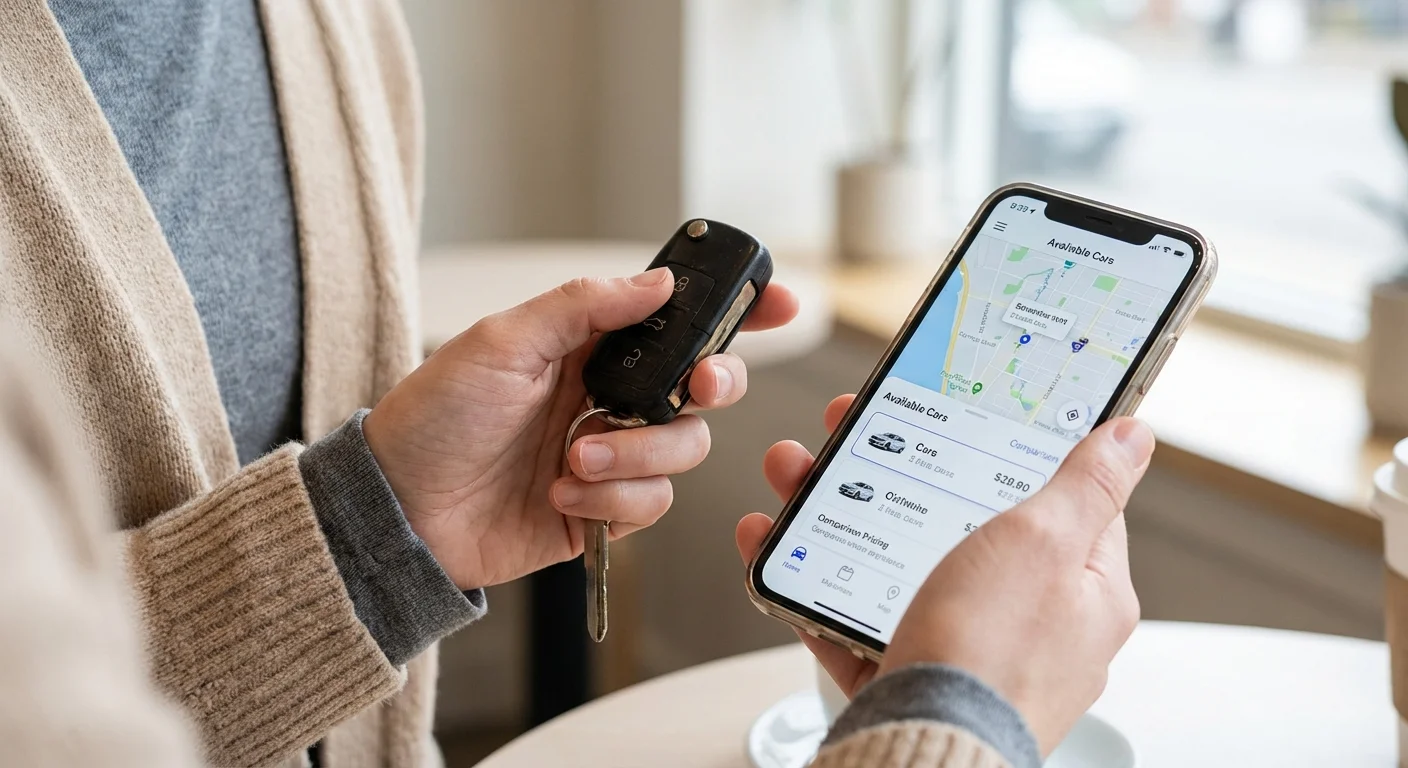
Deciding between policy types requires an understanding of what is actually being protected. Use the table below to see the fundamental differences in coverage and cost structures.
| Feature | Standard Auto Insurance | Non-Owner Auto Insurance |
|---|---|---|
| Vehicle Coverage | Covers a specific vehicle (Liability, Collision, Comp) | Covers the driver, not a specific vehicle |
| Primary vs. Secondary | Primary coverage (pays first) | Secondary coverage (pays after owner’s limits) |
| Average Annual Cost | $1,500 – $2,500+ | $200 – $500 |
| Medical Payments/PIP | Often included or available | Rarely included; varies by state |
| Uninsured Motorist | Commonly included | Available as an add-on in some states |
| Ideal User | Vehicle owners/daily commuters | Frequent renters, borrowers, and car-sharers |

Bridging the Gap in Rental Car Insurance
If you travel frequently and rely on rental cars, you are likely familiar with the high-pressure sales tactics at the rental counter. The “Loss Damage Waiver” (LDW) and “Supplemental Liability Insurance” (SLI) offered by rental companies can cost $30 to $50 per day. While many credit cards provide coverage for the damage to the rental car (acting as collision coverage), they almost never provide liability coverage.
Your non-owner insurance policy fills this massive hole. It provides you with the liability limits you’ve chosen—usually much higher than the state minimums—while you are driving the rental. This allows you to confidently decline the expensive liability supplements at the counter. Over a single week-long trip, the money you save by skipping the rental company’s liability insurance can pay for half of your annual non-owner premium. For detailed information on your rights as a consumer in the rental market, you can consult the Federal Trade Commission (FTC).

Specific Scenarios: Who Should Buy This Policy?
Not every person without a car needs this coverage, but specific lifestyles make it nearly essential. Consider your situation against these common profiles:
- The Frequent Borrower: If you regularly borrow a roommate’s or partner’s car, you are a high-risk candidate for a non-owner policy. While their insurance might cover “permissive use,” many policies exclude drivers who live in the same household but are not listed on the policy. A non-owner policy protects you if their insurer denies a claim.
- The Car-Sharer: Users of apps like Turo or Getaround often find themselves in a gray area of insurance. While these platforms offer their own protection plans, having your own non-owner policy ensures you have a consistent level of liability protection regardless of the platform’s changing terms of service.
- The Urban Professional: You might use public transit for 90% of your needs but rent a car for weekend errands or trips to the suburbs. A non-owner policy provides peace of mind and keeps your insurance history pristine.
- The Business Traveler: If you frequently drive for work in vehicles not owned by your company, your employer’s insurance might not cover you during “off-hours” or personal detours. A non-owner policy bridges that gap.
What Is Explicitly Excluded?
To avoid a costly mistake, you must understand the limitations of these policies. A non-owner auto insurance policy typically will not cover you in the following circumstances:
First, it does not cover vehicles owned by members of your household. Insurance companies expect you to be listed as a “rated driver” on the policy of anyone you live with if you use their car. If you live with your parents and drive their car, a non-owner policy is generally not the right solution; you should be added to their primary policy instead.
Second, it does not cover commercial use. If you are using a borrowed car to deliver pizzas, drive for Uber/Lyft, or transport commercial goods, the non-owner policy will likely deny any claims. These activities require specialized commercial endorsements.
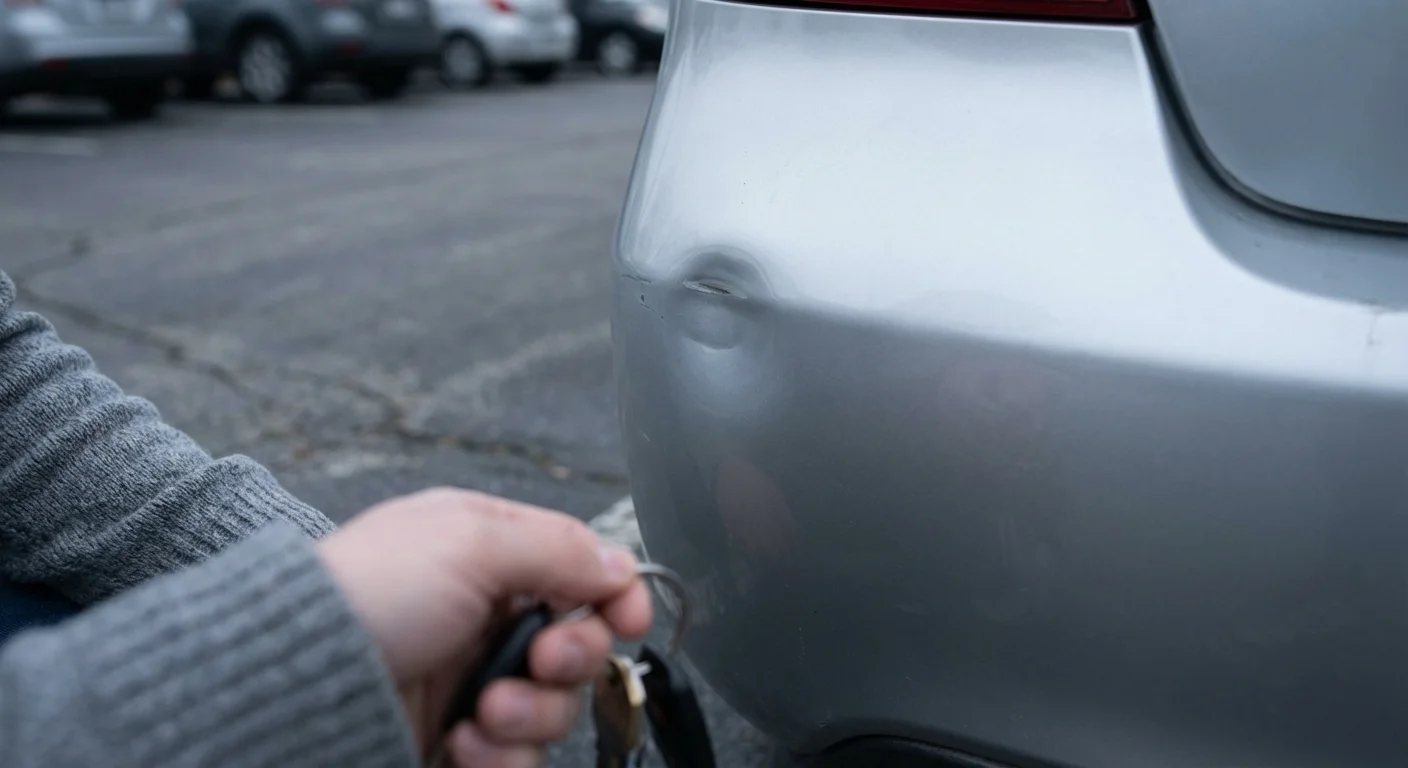
Third, as mentioned previously, it provides zero coverage for the vehicle you are driving. If you hit a pole in a borrowed car, the non-owner policy will not pay a dime toward the repairs of that vehicle. You must ensure the vehicle owner has collision coverage or be prepared to pay for those repairs out of your own pocket.

Avoiding Common Errors When Purchasing Coverage
When you call an agent to ask for non-owner car insurance, be precise with your language. Some agents may try to sell you a “named operator” policy, which can have different restrictions depending on the state. To get the best value, follow these steps:
- Ask for “Secondary Liability” specifically: Ensure the policy acts as an umbrella over the primary vehicle’s insurance.
- Match your limits to your net worth: If you have $200,000 in assets (savings, home equity, etc.), do not settle for $25,000 in liability coverage. Aim for limits that protect your total net worth from lawsuits.
- Verify Uninsured/Underinsured Motorist Coverage: Even if you don’t own a car, you can still be hit by an uninsured driver while you are driving a borrowed vehicle. Some non-owner policies allow you to add this protection, which is incredibly valuable.
- Check for “Hired Auto” endorsements: If you rent cars frequently, ensure the policy specifically mentions coverage for “hired” vehicles to avoid any disputes with rental agencies.

How Much Coverage Do You Actually Need?
State minimums are rarely enough. For example, in many states, the minimum property damage liability is only $10,000 to $15,000. If you accidentally rear-end a new electric vehicle or a luxury SUV, the repair costs will exceed that limit instantly. Experts at Investopedia and other financial outlets generally recommend a minimum of 100/300/100 coverage: $100,000 for bodily injury per person, $300,000 for bodily injury per accident, and $100,000 for property damage.
While this sounds expensive, the jump in premium from state-minimum to these higher limits is usually negligible—often less than $50 per year. In the world of non-owner insurance, the “risk” the company takes is the frequency of you driving, not the amount they might pay out. Since you don’t drive every day, they are willing to provide high limits for a very low price.

When DIY Isn’t Enough
While purchasing a policy is usually straightforward, certain situations require professional guidance from an independent insurance broker or a financial planner:
- High Net Worth Individuals: If your assets exceed the maximum limits of a standard non-owner policy (usually $500,000), you may need a personal umbrella policy. However, most umbrella policies require you to have an underlying auto policy first—meaning the non-owner policy is the “foundation” for your broader protection.
- Multiple State Residencies: If you split your time between two states, determining which state’s laws apply to your non-owner policy can be complex. You generally want the policy based in the state where your driver’s license is issued.
- International Driving: Most U.S. non-owner policies only cover you in the United States, its territories, and sometimes Canada. If you are renting cars in Europe or Mexico, your non-owner policy likely won’t follow you, and you will need to purchase local insurance.
Frequently Asked Questions
Can I get non-owner insurance if I have a car but it’s not registered?
Generally, no. If you have a vehicle registered in your name or parked at your residence, most insurers will require a standard policy. Non-owner insurance is specifically designed for people who have no regular access to a vehicle.
Does non-owner insurance cover my spouse?
It depends on the policy. Some non-owner policies cover “named operators” only, meaning only the person listed on the policy is covered. If your spouse also drives borrowed or rented cars, you may need a joint policy or two separate ones.
Will non-owner insurance pay for my medical bills if I’m hurt?
Usually, no. These policies focus on liability (the other person’s bills). Some states allow you to add Medical Payments (MedPay) or Personal Injury Protection (PIP), but this is not standard for non-owner coverage.
Can I use a non-owner policy to buy a car?
You can use it to drive the car home from the dealership, but you must notify your insurance company immediately. They will then “convert” your non-owner policy into a standard owner policy. Most companies give you a 7-to-30-day window to make this transition.
Final Steps to Secure Your Protection
If you find yourself behind the wheel of a vehicle you don’t own even once or twice a month, the risk of going uninsured is simply too high. Start by calling a few major insurers and asking for a non-owner quote. Because these policies aren’t always advertised on the main pages of insurance websites, you may need to speak with a representative directly. Compare the cost of the premium against the potential loss of your savings or the spike in future premiums caused by a coverage gap.
Take control of your financial liability today. A non-owner policy isn’t just an “extra” expense; it is a strategic tool that maintains your status as a responsible, insured driver in the eyes of the law and the insurance industry. By spending a few hundred dollars now, you protect yourself against a catastrophe that could cost hundreds of thousands later.
This is educational content based on general financial principles. Individual results vary based on your situation. Always verify current tax laws and regulations with official sources like the IRS or CFPB.
Last updated: February 2026. Financial regulations and rates change frequently—verify current details with official sources.








Leave a Reply