
Most people treat their bank accounts like a sieve. Money flows in on Friday, and by the following Tuesday, a significant portion has vanished into a mist of subscriptions, dining out, and “miscellaneous” Amazon purchases. If you feel like your paycheck performs a disappearing act every month, you do not have an income problem as much as you have a tracking problem. Effective money management requires a framework that aligns with your personality, your goals, and the amount of time you are willing to spend staring at a spreadsheet.
Budgeting is not a one-size-fits-all endeavor. The rigid structure that empowers one person might feel like a financial straightjacket to another. In the current economic landscape of 2025 and 2026, where inflation fluctuations and housing costs demand tighter control, choosing the right method is the difference between building wealth and merely treading water. We are going to dissect the two most prominent heavyweights in the personal finance world: zero-based budgeting and percentage budgeting.
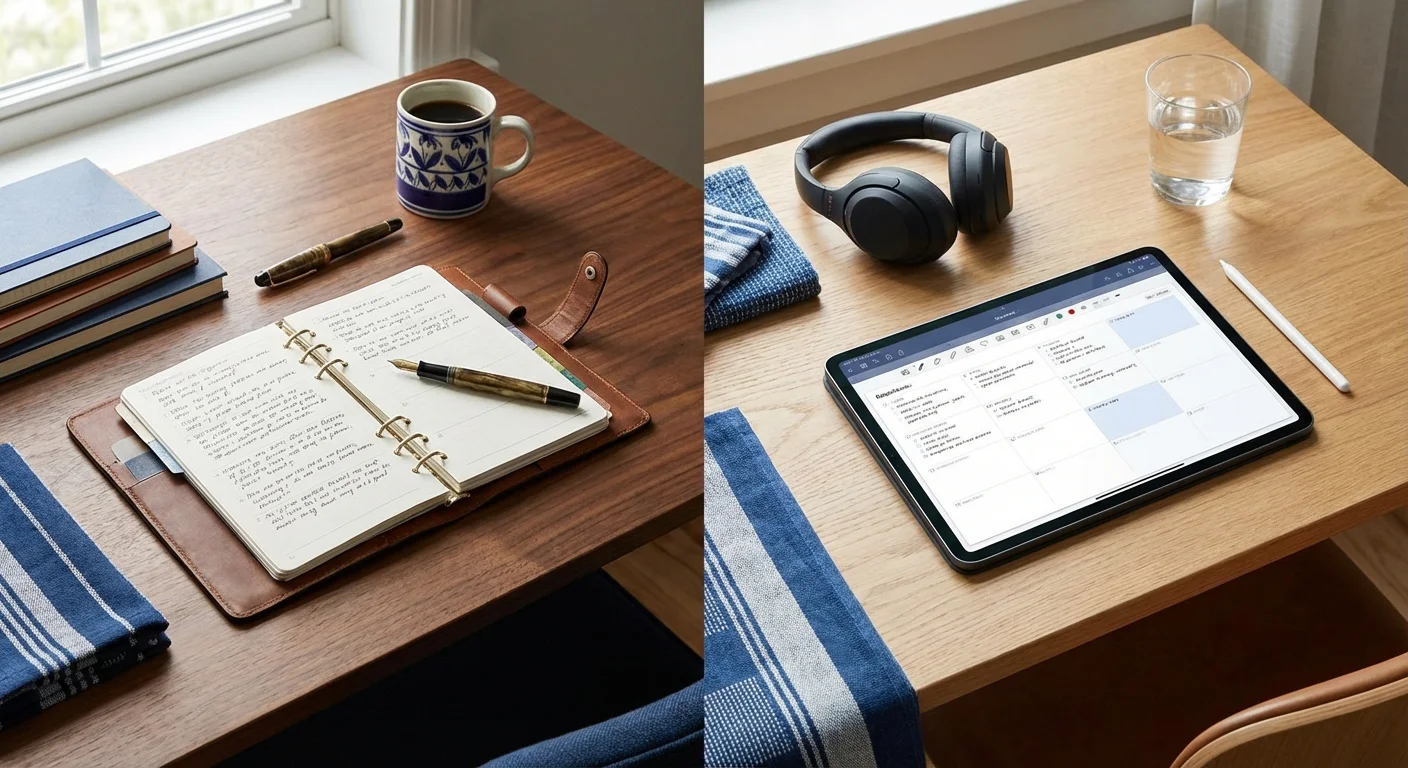
The Essentials: A Quick Comparison
Before we dive into the mechanics of each system, it helps to understand their core philosophies. One prioritizes precision; the other prioritizes proportion.
| Feature | Zero-Based Budgeting (ZBB) | Percentage Budgeting (50/30/20) |
|---|---|---|
| Core Concept | Income minus Expenses equals Zero. Every dollar has a specific job. | Allocate income into broad categories: Needs, Wants, and Financial Goals. |
| Complexity | High. Requires detailed tracking of every transaction. | Low to Medium. Requires general categorization of spending. |
| Flexibility | Rigid month-to-month but highly adaptable to specific goals. | High flexibility within categories. |
| Ideal For | Debt payoff, high-precision planners, and those with “leaky” spending. | Busy professionals, those new to budgeting, and people with stable incomes. |

Understanding Percentage Budgeting: The 50/30/20 Framework
Percentage budgeting is the most popular entry point for people seeking financial order without the headache of tracking every nickel. Most financial experts point to the 50/30/20 rule, popularized by Senator Elizabeth Warren in her book All Your Worth. This method looks at your after-tax income (take-home pay) and divides it into three distinct buckets.
The 50% for Needs: This includes your non-negotiable expenses. Think rent or mortgage payments, utilities, groceries, insurance, and minimum debt payments. If you do not pay these, your life effectively grinds to a halt. According to data from the Bureau of Labor Statistics, housing remains the largest expenditure for American households, often eating up more than 30% of gross income. If your needs exceed 50%, you may need to look at downsizing or negotiating fixed costs.
The 30% for Wants: This is the “lifestyle” bucket. It covers dining out, streaming services, travel, and hobbies. Percentage budgeting acknowledges that humans are not machines—we need a little joy to stay motivated. The beauty of this category is its flexibility; if you overspend on a concert ticket, you simply cut back on dining out for the rest of the month.
The 20% for Financial Goals: This is the most critical bucket for your future self. It includes aggressive debt repayment (beyond minimums), retirement contributions to a 401(k) or IRA, and building an emergency fund. The FDIC emphasizes the importance of maintaining liquid savings to avoid high-interest debt during unexpected life events.
“You must learn to manage money. The 50/30/20 rule is a great way to get started and see where your money is actually going.” — Elizabeth Warren, U.S. Senator and Personal Finance Author
The Pros of Percentage Budgeting
- Simplicity: You only need to track three numbers. If your “Wants” bucket is empty, you stop spending on extras.
- Sustainability: Because it builds in room for fun, you are less likely to “crash diet” and give up on budgeting entirely.
- Big-Picture Focus: It forces you to look at your ratios. If your “Needs” are 70% of your income, no amount of skipping lattes will fix your budget—you have a structural housing or lifestyle problem.
The Cons of Percentage Budgeting
- Vagueness: It is easy to misclassify a “want” as a “need.” Is a high-speed internet plan for 4K gaming a need? Probably not, but many people rationalize it as one.
- Inaccuracy for High or Low Earners: If you live in a high-cost-of-living (HCOL) area like New York or San Francisco, keeping your needs under 50% might be impossible. Conversely, if you earn $300,000 a year, spending 30% ($90,000) on “wants” might be excessive and wasteful.

The Deep Dive: Zero-Based Budgeting
Zero-based budgeting (ZBB) is the tactical approach to money management. The premise is simple but demanding: every single dollar you earn must be assigned to a category before the month begins. Your income minus your outgo must equal exactly zero. If you earn $5,000 this month, you must decide exactly where all $5,000 will go—whether that is $1,500 for rent, $400 for groceries, or $200 for “spontaneous fun.”
This method prevents money from “falling through the cracks.” When you have $300 left over at the end of the month in a traditional budget, you might accidentally spend it on junk. In ZBB, that $300 must be given a job, such as “Extra Payment on Student Loans” or “Vacation Fund.”
How to Implement Zero-Based Budgeting
- List your monthly income: Include your primary salary and any side hustles or freelance checks.
- List every single expense: Go through your bank statements for the last three months. Do not forget the $15 Netflix sub or the $50 quarterly pest control bill.
- Distribute every dollar: Start with your four walls (food, shelter, utilities, transportation). Then move to debt and savings. Finally, allocate what remains to your lifestyle categories.
- Track and adjust: As you spend throughout the month, deduct the totals from your categories. If you overspend on groceries, you must take that money from another category, like clothing or entertainment, to bring that category back to its limit.
For more guidance on managing debt within this framework, the Consumer Financial Protection Bureau (CFPB) offers resources on prioritizing bills and understanding your spending habits.
“A budget is telling your money where to go instead of wondering where it went.” — Dave Ramsey, Personal Finance Author and Radio Host
The Pros of Zero-Based Budgeting
- Maximum Efficiency: You squeeze the most value out of every cent. It is the fastest way to pay off debt or save for a down payment.
- Behavioral Change: Because you have to justify every dollar, you become much more aware of your “impulse” spending habits.
- Clarity: You never have to wonder if you can afford something. You simply check your “Dining Out” category balance.
The Cons of Zero-Based Budgeting
- Time Intensive: It requires frequent check-ins. You cannot just “set it and forget it.”
- Complexity with Variable Income: If you are a freelancer or commission-based salesperson, your income fluctuates, making it harder to “zero out” the budget before the month starts.
- Potential for Frustration: If you are too strict, you may feel guilty for spending money on small luxuries, leading to “budget burnout.”

Budgeting Methods 2025: Embracing Automation and Apps
We have moved past the era of physical envelopes and handwritten ledgers. In 2025 and 2026, technology makes both budgeting methods significantly easier to maintain. For percentage budgeting, many modern banking apps allow you to create “buckets” or “vaults.” You can set your direct deposit to automatically split: 50% to your main checking for bills, 30% to a separate debit card for spending, and 20% directly to a high-yield savings account.
For zero-based budgeting, apps like YNAB (You Need A Budget) or EveryDollar use a digital version of the envelope system. They sync with your bank accounts and force you to categorize every transaction. This automation reduces the “time tax” associated with ZBB, though it still requires you to make active decisions about where your money goes.
If you prefer a manual approach, the Investopedia team recommends using specialized spreadsheets that can handle complex formulas for sinking funds—money set aside for non-monthly expenses like car registrations or holiday gifts.

What Can Go Wrong: Common Budgeting Mistakes
Even the best strategy fails if you do not account for reality. Here is where most people stumble, regardless of which method they choose:
Forgetting “Lumpy” Expenses: You remember your rent, but you forget that your car insurance is due every six months or that your pet needs an annual vet exam. These “lumpy” expenses can wreck a zero-based budget. To fix this, create “Sinking Funds.” Calculate the annual cost of these items, divide by 12, and save that amount every month.
The “Misc” Trap: If your “Miscellaneous” category is more than 5% of your budget, you are not actually budgeting. You are guessing. Take the time to look at your “Misc” spending from last month and break it down into actual categories like “Home Maintenance” or “Personal Care.”
Neglecting the Emergency Fund: A budget tells you how to spend your income, but an emergency fund protects you when your income stops or an unexpected bill arrives. Experts at Bankrate suggest that a three-to-six-month cushion of essential expenses is the gold standard for financial security.
Underestimating Groceries: This is a common pain point in the 2020s. Food prices have been volatile. If you use a percentage budget, ensure your “Needs” bucket is updated to reflect the actual cost of a cart of groceries today, not what it cost three years ago.

Which Method Fits Your Lifestyle?
Choosing between these two is not about which math is “better”—it is about which behavior you can sustain. Consider these three scenarios:
The “Hands-Off” Professional: If you have a stable salary, you are already saving a decent amount, and you hate spreadsheets, Percentage Budgeting is your best bet. It provides enough guardrails to keep you on track without requiring a nightly audit of your receipts. Use automation to move your 20% to savings immediately, and then spend the rest within your limits.
The “Debt Destroyer”: If you are currently carrying high-interest credit card debt or feel like you are living paycheck to paycheck, Zero-Based Budgeting is the superior choice. You need the granular control ZBB provides to find every extra dollar that can be thrown at your debt. It turns your finances into a game of optimization.
The Variable Income Freelancer: This is tricky. A modified Percentage Budget often works best here. In months where you earn more, you keep your “Needs” and “Wants” dollar amounts steady and dump the surplus into your “Financial Goals” (savings). This creates a “hill and valley” fund to cover you during leaner months.

When to Consult a Professional
While budgeting is a DIY skill, there are times when your financial situation requires a higher level of expertise. You should consider reaching out to a Certified Financial Planner (CFP) or a credit counselor if:
- Your debt-to-income ratio is so high that even a zero-based budget leaves you with a deficit every month.
- You are navigating complex tax situations involving business ownership, stock options, or multiple rental properties.
- You and your partner have fundamentally different money philosophies and cannot agree on a basic spending plan.
- You are within ten years of retirement and need to ensure your “20% savings” is being invested aggressively enough to meet your goals.

Practical Next Steps
Stop overthinking and start tracking. You do not need to commit to one method for the rest of your life. In fact, many people start with percentage budgeting to get a high-level view of their spending and then “graduate” to zero-based budgeting when they want to get aggressive about a specific goal like buying a home.
For the next 30 days, simply track every dollar you spend. Use a notebook, an app, or your banking history. At the end of the month, look at those numbers. If you are shocked by the total, that is your signal to implement a more rigid system. If you are pleasantly surprised, a simple percentage-based approach may be all you need to reach your financial potential.
Your money is a tool for building the life you want. Whether you use the broad strokes of the 50/30/20 rule or the surgical precision of zero-based budgeting, the goal remains the same: intentionality. When you decide where your money goes, you reclaim control over your future.
The information in this guide is meant for educational purposes. Your specific circumstances—including income, debt, tax situation, and goals—may require different approaches. When in doubt, consult a licensed professional.
Last updated: February 2026. Financial regulations and rates change frequently—verify current details with official sources.









Leave a Reply