
You probably felt a familiar sting during your last trip to the supermarket. Perhaps you reached for a carton of eggs or a gallon of milk and noticed the price had ticked up another twenty cents since last week. You are witnessing the direct impact of inflation on your purchasing power. According to data from the Bureau of Labor Statistics, the Consumer Price Index for food at home has seen significant fluctuations over the last few years, often outpacing general inflation and putting a massive strain on the average American household budget.
Managing your money effectively requires more than just willpower; it requires a strategy that evolves alongside the economy. When the cost of living rises, your grocery list is often the first place where you can exert immediate control. While you cannot influence global supply chains or fuel surcharges, you can change how you navigate the aisles. This guide provides actionable, data-driven methods to lower your food costs without sacrificing the quality of your meals.

The Essentials of Modern Grocery Budgeting
- Audit before you shop: Inventory your pantry and freezer to prevent buying duplicates.
- Master unit pricing: Look past the “sale” sticker to the price per ounce or pound.
- Shift your protein sources: Incorporate beans, lentils, and eggs to offset rising meat prices.
- Leverage digital loyalty: Use store apps for digital coupons that rarely appear in paper circulars anymore.
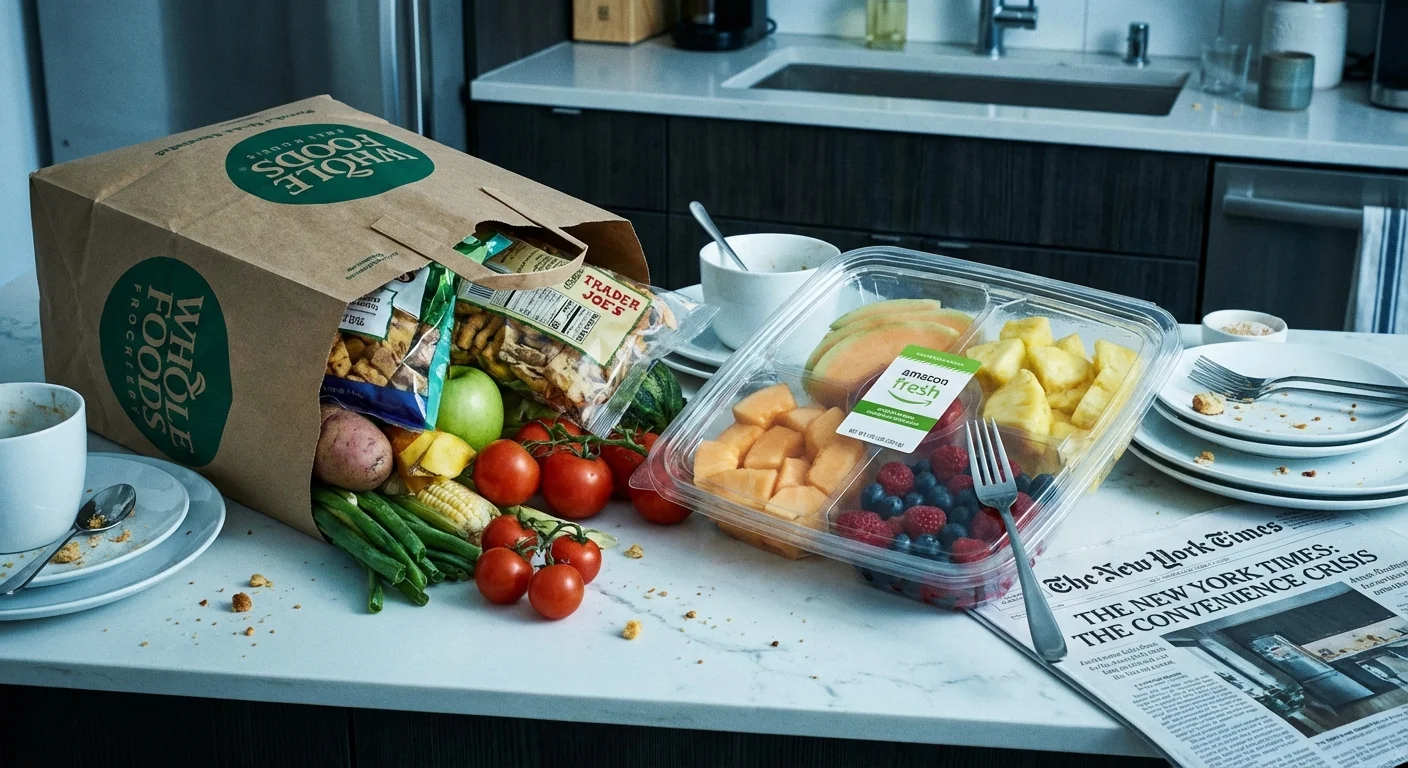
- Avoid the “convenience tax”: Pre-cut veggies and individual snack packs can cost 50% to 100% more than whole versions.

1. Master the Art of Inventory-Based Meal Planning
Most people approach meal planning by deciding what they want to eat and then buying the ingredients. During high inflation, you must flip this script. Start by “shopping your kitchen.” Open your pantry, dig to the back of your freezer, and look behind the jars in your refrigerator. You likely have several meals already sitting in your home, just waiting for a missing ingredient or two.
Research from natural resource advocacy groups suggests that the average American family throws away about 25% of the food they buy. When prices are high, that waste represents a significant financial loss. By planning meals around what you already own, you reduce your shopping list to the bare essentials.
Create a weekly “Rotation Menu” based on staples. If you have three boxes of pasta and a jar of marinara, pasta night is mandatory. If you find a bag of frozen shrimp from six months ago, plan a stir-fry. This method, often called meal planning on a budget, ensures that your grocery spend only fills the gaps rather than building a mountain of unused inventory.
“You must look at your expenses and ask yourself: Is this a want or is this a need? During times of financial pressure, needs must always come first, and you might find that many of your grocery habits were actually wants.” — Suze Orman, Personal Finance Expert
2. Analyze Unit Pricing Over Label Prices
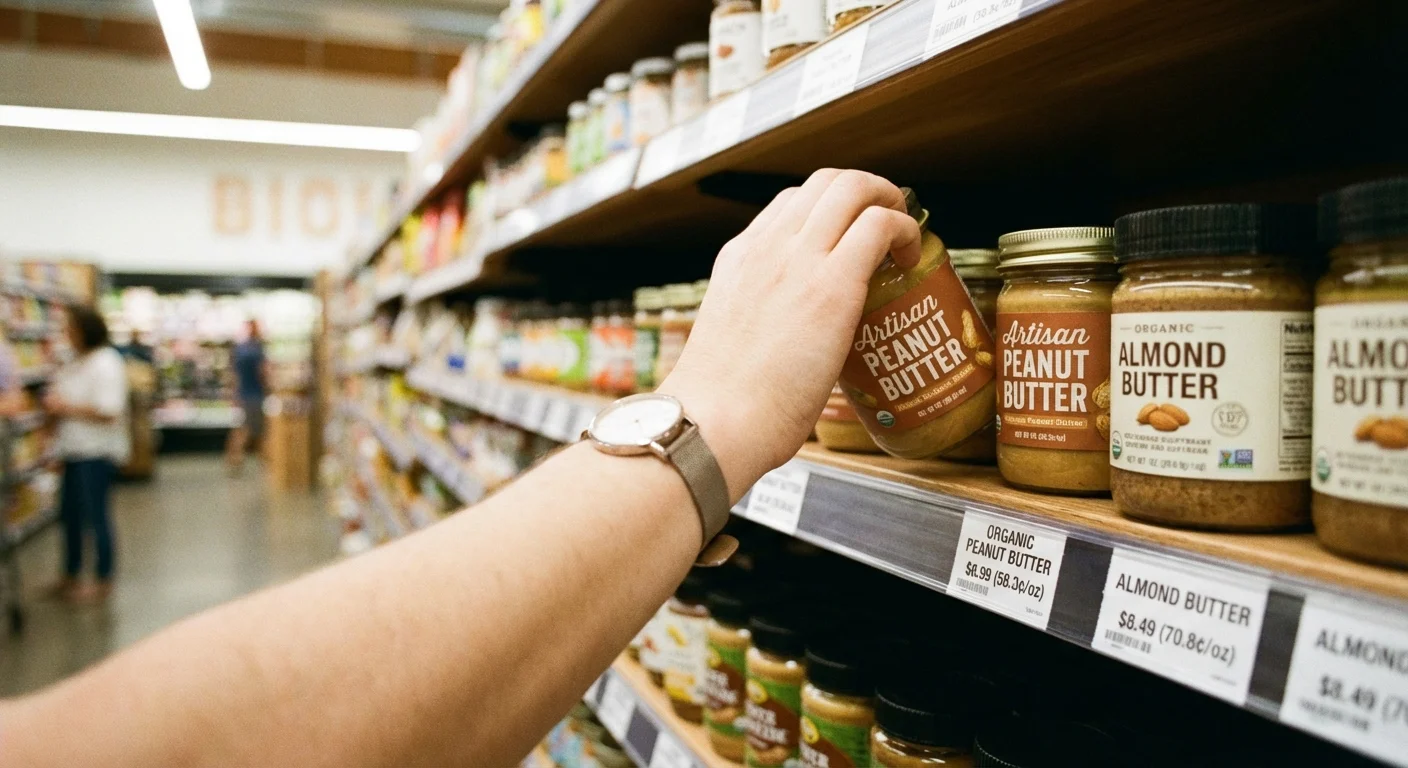
Marketing teams are experts at making you believe you are getting a deal. A bright yellow “2 for $7” sign looks attractive, but it might actually be more expensive than the larger single container sitting right next to it. To truly practice saving money on groceries, you must ignore the big numbers and look at the small print on the shelf tag: the unit price.
The unit price tells you how much the item costs per pound, quart, or ounce. This is the only way to compare two different brands or two different sizes of the same product fairly. Often, the mid-sized container is the best value, as manufacturers sometimes “shrinkflate” the largest sizes or add a premium to the smallest “convenience” sizes.
Consider the following comparison for a common staple like peanut butter:
| Container Size | Retail Price | Unit Price (per oz) | The Verdict |
|---|---|---|---|
| 16 oz Jar | $3.49 | $0.21 | Standard Value |
| 28 oz Jar | $5.12 | $0.18 | Best Value |
| 40 oz Value Pack | $8.50 | $0.21 | Marketing Trap |
In this example, the 40 oz pack is actually more expensive per ounce than the 28 oz jar. Without checking the unit price, you might assume the largest container is the cheapest and end up overspending. Carry your phone to use as a calculator if the store doesn’t provide clear unit pricing on their tags.
3. Strategically Substitute Name Brands for Store Brands
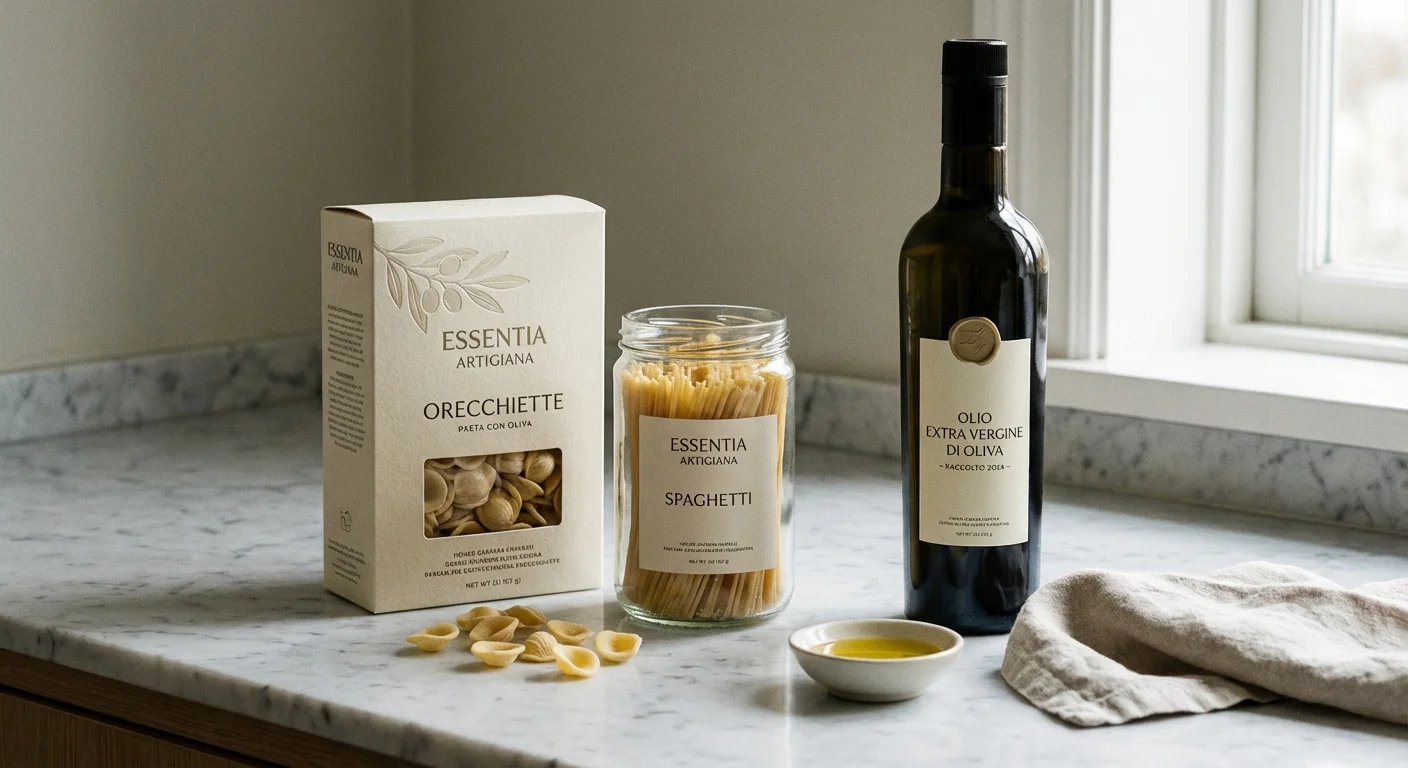
Many consumers remain loyal to name brands due to decades of advertising, but during periods of high inflation, brand loyalty is a luxury you may want to reconsider. Most “private label” or store-brand products are manufactured in the same facilities as the name-brand versions, using nearly identical ingredients.
The Federal Trade Commission and other consumer advocacy groups have noted that store brands can be 20% to 30% cheaper than their name-brand counterparts. On a $200 grocery bill, switching to store brands for staples like flour, sugar, canned beans, and frozen vegetables could save you $40 to $60 per trip.
Start with “blind” items where the taste difference is negligible. Spices, baking supplies, salt, and milk are excellent places to start. Move on to frozen fruits and vegetables. You can often find organic store-brand options that are still cheaper than the conventional name-brand versions. If you are hesitant, try one new store-brand item per week. If you like it, make it a permanent part of your rotation.
4. Rethink the Meat Counter and Seasonal Produce
Meat is often the most expensive category in a grocery budget, and it is frequently the most susceptible to inflation due to grain prices and transportation costs. You do not have to become a vegetarian to save money, but you should consider “meat-stretching” or plant-based alternatives several times a week.
Substitute half of the ground beef in your tacos with lentils or black beans. You will increase the fiber content of your meal while significantly lowering the cost per serving. Alternatively, look at the Bureau of Labor Statistics data for meat prices; often, whole chickens or “tougher” cuts of meat like pork shoulder or beef chuck are much cheaper than chicken breasts or steaks. These cheaper cuts are perfect for slow cookers or pressure cookers, which tenderize the meat and create flavorful meals for a fraction of the price.
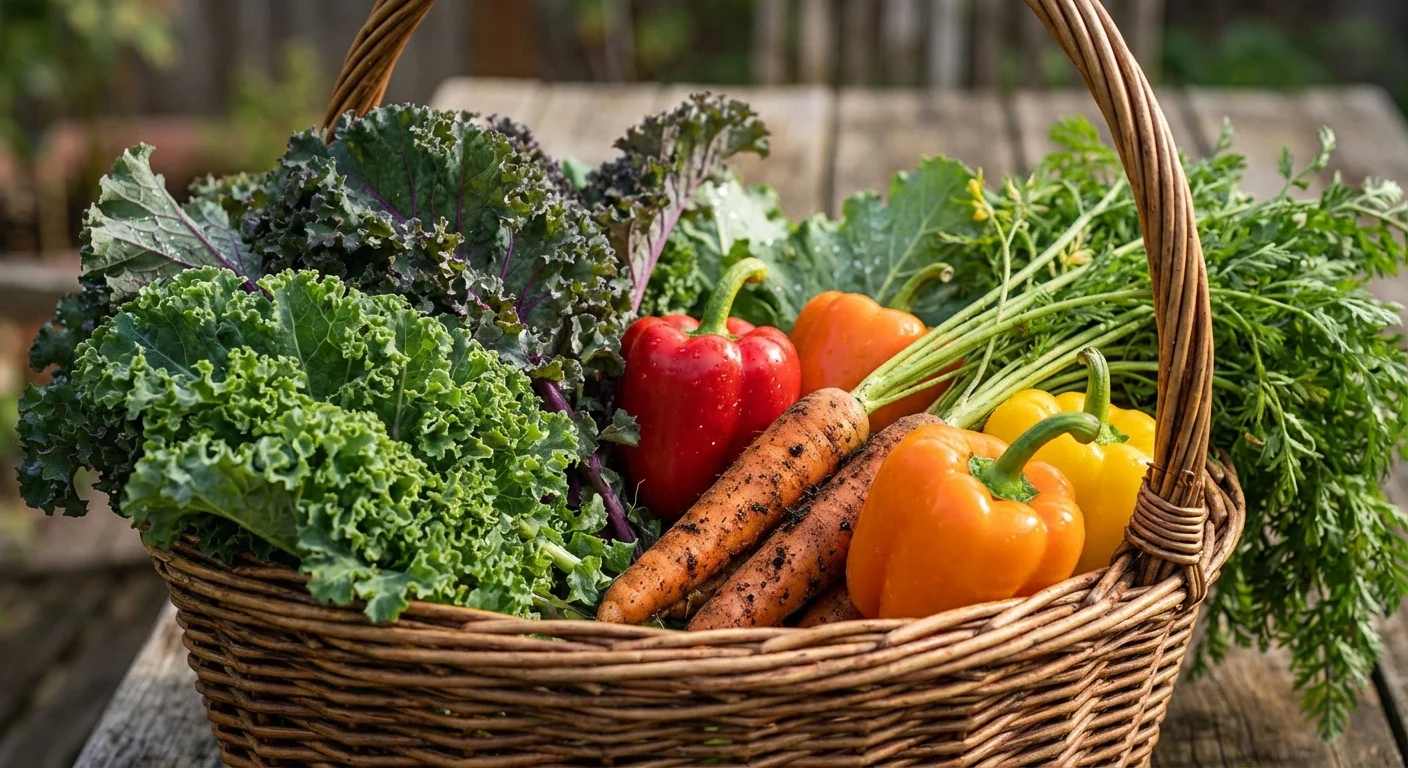
Furthermore, stick to seasonal produce. Buying strawberries in January means paying for the fuel to ship them from another hemisphere. Instead, buy what is in season in your region. Not only will the quality be higher, but the abundance usually drives the price down. If you need a specific fruit or vegetable out of season, head to the freezer aisle. Frozen produce is picked at peak ripeness and flash-frozen, retaining nutrients while costing significantly less than “fresh” imports.

5. Harness Digital Coupons and Cash-Back Ecosystems
The days of clipping paper coupons from the Sunday newspaper are largely over. Today, the best inflation grocery tips involve your smartphone. Almost every major grocer has a proprietary app that offers “digital-only” coupons. These are often personalized based on your shopping history, meaning you get discounts on items you actually buy.
Beyond store apps, use third-party cash-back apps. These platforms partner with brands to give you a small percentage of your purchase price back in exchange for a photo of your receipt. While $0.50 or $1.00 back on a box of cereal might seem small, these savings compound over a month. Many users find they can earn $20 to $50 in cash or gift cards every few months just by scanning receipts they would otherwise throw away.
However, you must be disciplined. Only use coupons for items you were already planning to buy. A coupon for a product you don’t need isn’t a “saving”—it’s an unnecessary expense. Use these tools to supplement your existing list, not to dictate it.
What Can Go Wrong: Avoiding Common Pitfalls
Even with the best intentions, certain shopping habits can derail your budget. One of the most common mistakes is “bulk-buy fever.” Buying a five-pound tub of spinach because it’s a great deal only works if you actually eat all of it before it turns to slime. If you throw away half of a bulk purchase, your unit price effectively doubles.
Another pitfall is shopping while hungry or stressed. Psychological studies consistently show that hungry shoppers buy more high-calorie, impulsive, and expensive items. Always shop with a list and a full stomach. If you find yourself straying from your list, try using a “curbside pickup” service. Most major retailers offer this for free or a small fee. By shopping online, you can see your total in real-time and remove items if you exceed your budget, all while avoiding the tempting end-cap displays designed to trigger impulse buys.
Finally, be wary of “loss leaders.” These are deeply discounted items stores use to lure you through the door, hoping you will do the rest of your high-margin shopping there. If you go to a store for $0.99-per-pound grapes but end up buying your entire weekly haul at higher-than-average prices, the store has won. Use loss leaders to your advantage by “cherry-picking” deals across two stores if they are close to each other, but don’t let a single deal blind you to the overall cost of your basket.

When to Consult a Professional
While grocery tips help manage daily outflows, sometimes food insecurity or extreme inflation requires more robust intervention. You should consider reaching out to a professional or a local resource if:
- You are consistently choosing between paying a utility bill and buying groceries.
- Your debt-to-income ratio is so high that even a perfectly optimized grocery budget doesn’t leave room for savings.
- You are eligible for government assistance but don’t know how to navigate the application process.
In these cases, a non-profit credit counselor from the National Foundation for Credit Counseling (NFCC) can help you look at your entire financial picture. You can also visit USA.gov Benefits to see if you qualify for the Supplemental Nutrition Assistance Program (SNAP) or other local support initiatives.
Frequently Asked Questions
Is it cheaper to shop at warehouse clubs like Costco or Sam’s Club?
It depends on your household size and storage space. Warehouse clubs offer excellent unit prices on staples like rice, oil, and paper products. However, the annual membership fee must be factored into your savings. If you are a single person or a couple in a small apartment, you might find that the bulk quantities lead to more waste or that you don’t shop there enough to recoup the membership cost.
Are organic foods worth the extra cost during inflation?
This is a personal health and value choice. From a strictly financial perspective, organic items are significantly more expensive. If you want to prioritize organic but are on a budget, use the “Clean Fifteen” and “Dirty Dozen” lists to decide which produce items are most important to buy organic and where you can save by buying conventional.
How often should I shop to save the most money?
Generally, fewer trips lead to more savings. Every time you enter a store, you are exposed to marketing and impulse triggers. Aim for one major trip per week or even one every two weeks, supplemented by a quick stop for fresh perishables like milk or bread if necessary. Shopping your pantry first helps extend the time between major trips.
Does “extreme couponing” still work?
The era of getting $500 of groceries for $2 is largely over due to changes in store policies and the shift to digital platforms. However, “strategic couponing”—combining a store sale with a manufacturer coupon and a cash-back app—can still yield 50% to 70% savings on specific items. It requires more time and organization but can be very effective for household goods and shelf-stable items.
Next Steps for Your Grocery Budget
Lowering your grocery bill isn’t about a single “hack” but a series of small, disciplined choices. Start this week by doing a full inventory of your kitchen. Spend thirty minutes looking at the store apps for your local grocers and see which of your staples are on sale. Before you head to the register, look at the unit price of at least three items you usually buy without thinking.
Inflation is a challenge, but it is also an opportunity to build better financial habits. By becoming a more conscious consumer, you protect your hard-earned money and ensure that your household remains resilient regardless of economic shifts. Take it one meal at a time, and you will see the results reflected in your bank account.
This is educational content based on general financial principles. Individual results vary based on your situation. Always verify current tax laws and regulations with official sources like the IRS or CFPB.
Last updated: February 2026. Financial regulations and rates change frequently—verify current details with official sources.




Leave a Reply