
Imagine walking into a store and finding a twenty-dollar bill on the floor. You would pick it up without hesitation. Yet, every day, millions of shoppers leave the digital equivalent of that twenty-dollar bill on the table simply because they use a single method of payment and stop there. Most people understand that credit cards offer rewards, but the real secret to maximizing your money lies in a strategy called “double-dipping”—or even triple and quadruple-dipping.
This approach involves layering multiple reward programs on a single transaction. By combining credit card rewards, shopping portals, and receipt-scanning apps, you can effectively manufacture a 10% to 15% discount on almost anything you buy. This guide provides the blueprint for building your own rewards engine, moving beyond basic cash back into the world of strategic stacking.

The Essentials: Stacking Your First Three Layers
You do not need a complex spreadsheet to start double-dipping. Most successful rewards-stackers follow a simple hierarchy. Think of your purchase like a cake: the credit card is the base, the shopping portal is the frosting, and the merchant loyalty program is the cherry on top.
- Layer 1: The Payment Method. You use a credit card that offers a high multiplier for the specific category of your purchase (e.g., 3% back on dining or 4x points on groceries).
- Layer 2: The Gateway. Instead of going directly to a store’s website, you click through a shopping portal like Rakuten or TopCashback to earn a percentage of your purchase price back in cash.
- Layer 3: The Merchant Program. You sign up for the store’s free loyalty program to earn “store currency” or points that lead to future coupons.
When you align these three layers, a $100 purchase that previously earned you $1.50 in credit card rewards can suddenly yield $10 or $15 in total value. This is not a glitch; it is the result of companies competing for your data and your loyalty simultaneously.

Layer 1: Selecting the Ultimate Base Card
The foundation of any stack is the card you pull out of your wallet. According to the Federal Reserve, credit card usage remains the primary way Americans manage daily transactions, but many use the wrong card for the wrong job. To maximize the “double-dip,” you must match your card to the merchant category.
If you use a flat 1.5% cash back card for everything, you are missing out. Instead, look for cards that offer 3% to 5% back in specific categories like gas, groceries, or office supply stores. For example, if you are buying a new laptop at an electronics store, a card that offers 5% back on “select utilities” or “office supplies” (if purchased at a place like Staples) provides a massive head start. You should also consider cards that earn “transferable points” rather than flat cash. Points from major issuers can often be worth 2 cents or more when transferred to airline or hotel partners, effectively doubling the value of your base layer.

Layer 2: Navigating Online Shopping Portals
Shopping portals are the most overlooked tool in the financial toolkit. These websites act as an affiliate for thousands of retailers. When you click a link on a portal and then make a purchase, the retailer pays the portal a commission, and the portal shares that commission with you.
To use this effectively, you must develop a new habit: never go directly to a website. Before buying from Nike, Best Buy, or Macy’s, visit a portal aggregator. These aggregators allow you to see which portal is currently offering the highest rate for your chosen store. During holiday seasons or promotional events, these portals often jump from a standard 2% back to 10% or even 15% back.
“You must gain control over your money or the lack of it will forever control you.” — Dave Ramsey, Personal Finance Author and Broadcaster
While Ramsey often advocates for avoiding credit cards entirely, the underlying principle of controlling your money applies here. If you choose to use credit, you must use it as a tool rather than a crutch. If you cannot pay the balance in full every month, the interest charges will instantly negate any “double-dip” gains you achieve.
Layer 3: The Power of Card-Linked Offers
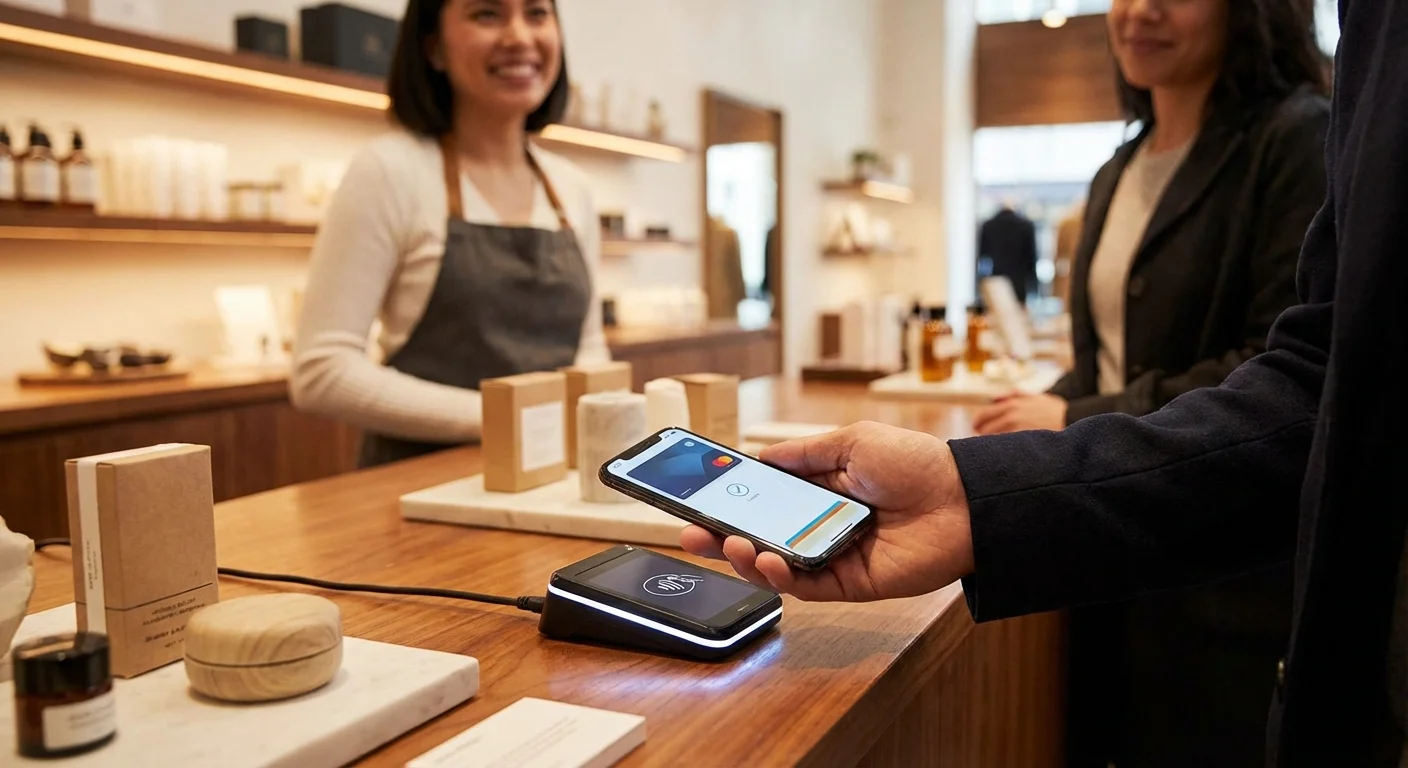
Beyond shopping portals, many banks have “merchant offers” built directly into their mobile apps. You might see an offer for “5% back at Starbucks” or “$10 back on a $50 purchase at Lululemon.” These are known as card-linked offers (CLOs).
The magic of CLOs is that they stack automatically with shopping portals. If you activate a 5% offer in your Chase or Amex app, then click through Rakuten to get another 5% back, and pay with a card that earns 3% back on that category, you have “triple-dipped” before you even enter your shipping address. The merchant only sees one transaction, but your bank, the portal, and the card’s reward program all process their respective bonuses independently.
Comparison of Reward Stacking Tools
Choosing the right tool depends on your shopping habits. Some focus on cash, while others focus on travel points. Use the table below to identify which tools fit your lifestyle.
| Tool Type | Examples | Primary Benefit | Best For… |
|---|---|---|---|
| Cash Back Portals | Rakuten, TopCashback | Direct cash via PayPal or Check | General online shopping and holiday gifts |
| Airline Portals | AAdvantage eShopping, United Shop | Frequent flyer miles | Travelers wanting to fund their next flight |
| Receipt Apps | Ibotta, Fetch Rewards | Points for scanning physical receipts | Groceries and in-person retail |
| Card-Linked Apps | Dosh, Drop | Automatic rewards when card is used | Dining out and local services |

Layer 4: Receipt Scanning and Post-Purchase Apps
Even after you have paid for the item and received your portal rewards, the “dip” isn’t finished. This is where receipt-scanning apps come into play. Apps like Ibotta and Fetch Rewards allow you to take a photo of your receipt (or link your email for digital receipts) to earn additional points.
Ibotta is particularly powerful for grocery shopping. It offers specific rebates on individual products—sometimes as much as $2.00 or $3.00 off a single item. Because these rebates are funded by the product manufacturers (like Coca-Cola or General Mills) rather than the store, they stack on top of store coupons, credit card rewards, and portal bonuses. This is the fourth layer of the stack. If you buy a $5 box of cereal that has a $2 Ibotta rebate, and you use a 6% cash back grocery card, your net cost drops significantly before you even count any manufacturer coupons.

The Math of a Perfect Stack: A Real-World Scenario
To understand the impact of this strategy, let’s look at a hypothetical purchase of a $1,000 television from a major electronics retailer. Without stacking, you pay $1,000 and perhaps get $10 back if you use a standard 1% cash back card.
The Double-Dip Strategy:
- Credit Card: You use a card offering 5% back on electronics stores during a quarterly promotion. (+$50)
- Shopping Portal: You click through a portal offering 8% back at this specific retailer. (+$80)
- Card-Linked Offer: You activated a “Spend $500, Get $20 back” offer in your bank app. (+$20)
- Merchant Loyalty: You are a member of the store’s rewards program, which gives 1 point per dollar. 1,000 points equals a $20 gift card. (+$20 value)
In this scenario, you still pay $1,000 at the checkout. However, you have earned $170 in total value back. Your effective price for the television is $830. That is a 17% discount achieved simply by spending an extra three minutes clicking through the right links.

Advanced Strategy: The “Gift Card Loop”
For those who want to take stacking to the professional level, the “Gift Card Loop” offers a way to manufacture high-tier rewards on merchants that don’t usually offer them. For example, Amazon rarely appears on high-percentage shopping portals. However, many grocery stores and office supply stores sell Amazon gift cards.
If you have a credit card that earns 5% back at office supply stores, you can buy a $500 Amazon gift card there. You earn $25 in rewards immediately. You then load that gift card to your Amazon account. When you make your final purchase on Amazon, you use a browser extension like Honey or Capital One Shopping to find coupon codes or “exclusive offers” for that specific item. You have effectively forced a 5% discount on a retailer that usually doesn’t play ball with rewards portals.

What Can Go Wrong
While double-dipping is a powerful way to save, it is not without pitfalls. Managing multiple apps and accounts requires discipline. If you aren’t careful, the “pursuit of the deal” can lead to negative financial outcomes.
- Overspending: The psychological “hit” of getting 10% back can trick you into buying things you don’t need. A 10% discount on a $100 item you weren’t going to buy is still a $90 loss to your net worth.
- Interest Rates: As noted previously, the average credit card interest rate is well over 20%. Carrying a balance for even one month will wipe out an entire year’s worth of rewards stacking.
- Data Privacy: Shopping portals and receipt apps make money by tracking your spending habits. If you are highly sensitive about your data, you must weigh the cash back value against the personal information you are sharing with these third parties. The Federal Trade Commission (FTC) provides resources on how to understand your digital privacy rights.
- Expired Rewards: Many people hoard points and miles. Unlike cash in a high-yield savings account, rewards points do not earn interest and are frequently devalued by companies. Treat your rewards like milk, not like wine; use them before they “spoil” or lose value.

The Role of Browser Extensions in Automating Your Savings
If the idea of visiting three different websites before making a purchase sounds exhausting, browser extensions are your best friend. Most major portals, including Rakuten, Honey, and Capital One Shopping, offer extensions for Chrome and Safari. Once installed, these extensions will pop up a notification when you visit a retailer’s site, saying “Click here to activate 5% cash back.”
This removes the “friction” of the double-dip. You no longer have to remember to visit the portal first. One click activates the tracking cookie, and you can proceed with your purchase as usual. Many of these extensions also automatically test every known coupon code in their database at checkout, ensuring you are getting the lowest possible price before the rewards are even calculated.

When to Consult a Professional
For most people, reward stacking is a hobby that saves a few hundred or thousand dollars a year. However, there are times when your rewards strategy intersects with your broader financial plan, and you may need expert advice from a Certified Financial Planner (CFP) or tax professional.
- Large Business Spend: If you are running business expenses through personal cards to stack rewards, you need to consult a CPA to ensure you are properly categorizing expenses and rewards for tax purposes. Generally, the IRS treats credit card rewards as a “rebate” on a purchase rather than taxable income, but business rules can be more complex.
- Mortgage Applications: If you are opening several new credit cards to take advantage of sign-up bonuses (a strategy known as “churning”), it will impact your credit score. If you plan to apply for a mortgage or auto loan in the next 6 to 12 months, consult a mortgage broker before opening new lines of credit.
- Debt Management: If you have existing high-interest debt, your focus should be on a debt-paydown strategy like the “Snowball” or “Avalanche” method. A professional credit counselor at the National Foundation for Credit Counseling (NFCC) can help you prioritize debt over rewards.

Double-Dipping on Travel: The Ultimate Value Play
While cash back is the simplest form of double-dipping, travel rewards offer the highest potential “return on spend.” This involves earning airline miles or hotel points through a portal and then redeeming them for high-value international flights or luxury suites. This is where you can see values of 5 cents to 10 cents per point.
To do this, use a dedicated airline shopping portal. If you are 5,000 miles short of a vacation to Hawaii, check the United or American Airlines shopping portals. They often have “mystery bonuses” where spending $200 through the portal earns you an extra 2,000 miles on top of the standard per-dollar rate. By stacking this with a travel-branded credit card, you are effectively subsidizing your future travel with your current everyday spending.
Frequently Asked Questions
Is double-dipping legal?
Yes, double-dipping is entirely legal and encouraged by the platforms involved. Retailers want the traffic from portals, banks want the transaction fees from your card use, and apps want your data. They are all willing to pay you for your participation.
Do I have to pay taxes on cash back?
In the United States, the IRS typically views cash back and points earned on purchases as a post-purchase discount rather than income. Because you had to spend money to get the reward, it is not taxable. However, “referral bonuses” (getting $40 for inviting a friend) are often considered taxable income if they exceed $600 in a year.
Does using a shopping portal make the items more expensive?
No. The price you see on the retailer’s website is the same whether you go there directly or through a portal. The portal’s commission comes out of the retailer’s marketing budget, not out of your pocket.
Can I double-dip on in-store purchases?
Yes, though it requires a different set of tools. You can use card-linked offer apps like Dosh or the Rakuten “In-Store” feature, where you link your credit card and activate offers before you swipe your card at the physical register.
Actionable Next Steps
To start your double-dipping journey today, don’t try to sign up for every app at once. Start with one purchase you were already planning to make. Follow these steps:
- Check your current credit card app for any “Merchant Offers” or “Boosts” related to the store you are visiting. Activate them.
- Visit a site like CashBackMonitor to see which portal is offering the highest rate for that store.
- Click through that portal to the store’s website and complete your purchase.
- If it’s a physical purchase, scan the receipt into an app like Fetch or Ibotta immediately after you get to your car.
By turning these steps into a routine, you turn your regular expenses into a source of passive savings. It is one of the few areas of personal finance where you can get something for nothing—provided you have the discipline to pay your bills on time and the patience to click a few extra links.
The information in this guide is meant for educational purposes. Your specific circumstances—including income, debt, tax situation, and goals—may require different approaches. When in doubt, consult a licensed professional.
Last updated: February 2026. Financial regulations and rates change frequently—verify current details with official sources.




Leave a Reply