
You open your credit monitoring app expecting to see a steady or rising score, but instead, you find a sudden, double-digit drop. After digging into the details, you spot the culprit: a 30-day late payment for a credit card or loan that you know you paid on time. This single entry can feel like a heavy anchor on your financial progress. Because payment history accounts for roughly 35% of your FICO score, even one misplaced “late” status can prevent you from securing a mortgage, a car loan, or a competitive interest rate.
Inaccurate reporting happens more often than most consumers realize. A study by the Federal Trade Commission (FTC) found that one in four consumers identified errors on their credit reports that might affect their credit scores. When a lender’s computer system glitches or a payment is manually misapplied, the burden of proof unfortunately falls on you. However, you possess powerful legal rights under the Fair Credit Reporting Act (FCRA) to force the removal of inaccurate information. This credit repair guide will walk you through the precise steps to identify the error, gather your evidence, and execute a successful dispute to clean up your credit history.

The Real Cost of a Late Payment Error
Before diving into the mechanics of a dispute, you should understand the weight of the problem. Credit scoring models like FICO and VantageScore categorize late payments by their severity—30, 60, 90, or 120+ days past due. A 30-day late payment is typically the earliest point at which a creditor can report delinquency to the bureaus. If your score is currently in the 780s, a single 30-day late entry can slash your score by as much as 90 to 110 points. If your score is lower, say in the mid-600s, the drop might be closer to 60 or 80 points, but it could still push you into a “subprime” category.
Data from FICO suggests that the higher your starting score, the further you have to fall. This is why immediate action is necessary. A late payment remains on your credit report for seven years from the original date of delinquency; however, its impact on your score lessens over time. If the entry is inaccurate, you shouldn’t wait for time to heal the wound—you need to excise the error entirely.
“The most important thing you can do for your financial health is to be your own advocate. No one else is going to watch your credit report as closely as you do.” — Suze Orman, Personal Finance Expert

Step 1: Audit Your Credit Reports Thoroughly
You cannot fix what you haven’t seen in detail. You have three primary credit reports—Equifax, Experian, and TransUnion—and errors often appear on one but not the others. Lenders do not always report to all three bureaus, so you must verify the accuracy of each one individually. Through the end of 2026, you can access your credit reports for free every week at AnnualCreditReport.com, the only site authorized by federal law for this purpose.
When you review your reports, don’t just look for the “Late” label. Look for the following technical details which could provide leverage for your dispute:
- The Date of Last Activity: Does it align with your records?
- The Account Status: Is it marked as “Current” in some sections but “Delinquent” in others?
- Payment History Grid: Look at the specific month the late payment was recorded. Compare this to your bank statements.
- Balance Accuracy: Does the balance reported during the “late” month match what you actually owed?

Step 2: Collect Your Bulletproof Evidence
The credit bureaus receive millions of disputes every month. If you simply state, “I wasn’t late,” the bureau will likely perform a cursory automated check with the creditor. If the creditor’s system still says you were late, the bureau will “verify” the debt as accurate and keep it on your report. To win, you must provide undeniable proof. Your evidence locker should include:
- Bank Statements: Highlight the line item showing the funds leaving your account. Ensure the date is clearly visible and is before the expiration of the 30-day grace period.
- Canceled Checks: If you pay by mail, a scanned copy of the front and back of the cleared check is the ultimate proof of receipt.
- Confirmation Emails: If you paid online, find the “Payment Received” or “Payment Scheduled” confirmation.
- Screenshot of Your Payment Portal: Sometimes internal portals show a payment was “received” on the 28th but “posted” on the 2nd. Under the FCRA, the date you initiated the payment often determines its timeliness.

Step 3: Leverage Your Rights Under the FCRA
The Fair Credit Reporting Act is your greatest ally. It mandates that credit reporting agencies must investigate any disputed item within 30 to 45 days. Crucially, if the bureau cannot verify the information within that timeframe, they must delete it. Furthermore, the law requires that information reported must be 100% accurate, complete, and verifiable. If a creditor lacks the specific records to prove you were late—perhaps because they migrated to a new software system or the account was sold—the entry must be removed.
You also have the right to file a “Direct Dispute” with the creditor who provided the information (the “furnisher”). Often, contacting the bank directly is faster than going through the bureaus, as the bank has the power to update their reporting in the next billing cycle.

Step 4: Draft a Precise Dispute Letter
While most bureaus encourage you to use their online dispute portals, you should avoid them for serious inaccuracies. Online portals often force you to choose from a dropdown menu of generic reasons (e.g., “Not mine” or “Never late”). These choices are then converted into a three-digit “e-OSCAR” code, which strips away the nuance of your argument. When you mail a physical letter, you maintain a paper trail and can include your specific evidence.
Your letter should be professional, concise, and factual. Use the following structure:
- Personal Information: Include your full name, address, and the last four digits of your Social Security number to verify your identity.
- The Specific Error: Identify the account name, account number (partial is fine), and the specific month of the late payment.
- The Basis of the Dispute: Explain exactly why the entry is wrong. For example: “I am disputing the 30-day late payment reported for [Month/Year]. My bank records show that payment was initiated and cleared on [Date], which is within the grace period.”
- Requested Action: Clearly state that you want the late payment remark removed or updated to “Paid as Agreed/Current.”
- List of Enclosures: Mention that you have attached copies (never originals) of your bank statements or receipts.
“The legal requirement is simple: if they can’t prove it’s right, they have to take it off.” — Elizabeth Warren, U.S. Senator and Consumer Advocate
Step 5: Mail Your Dispute via Certified Mail
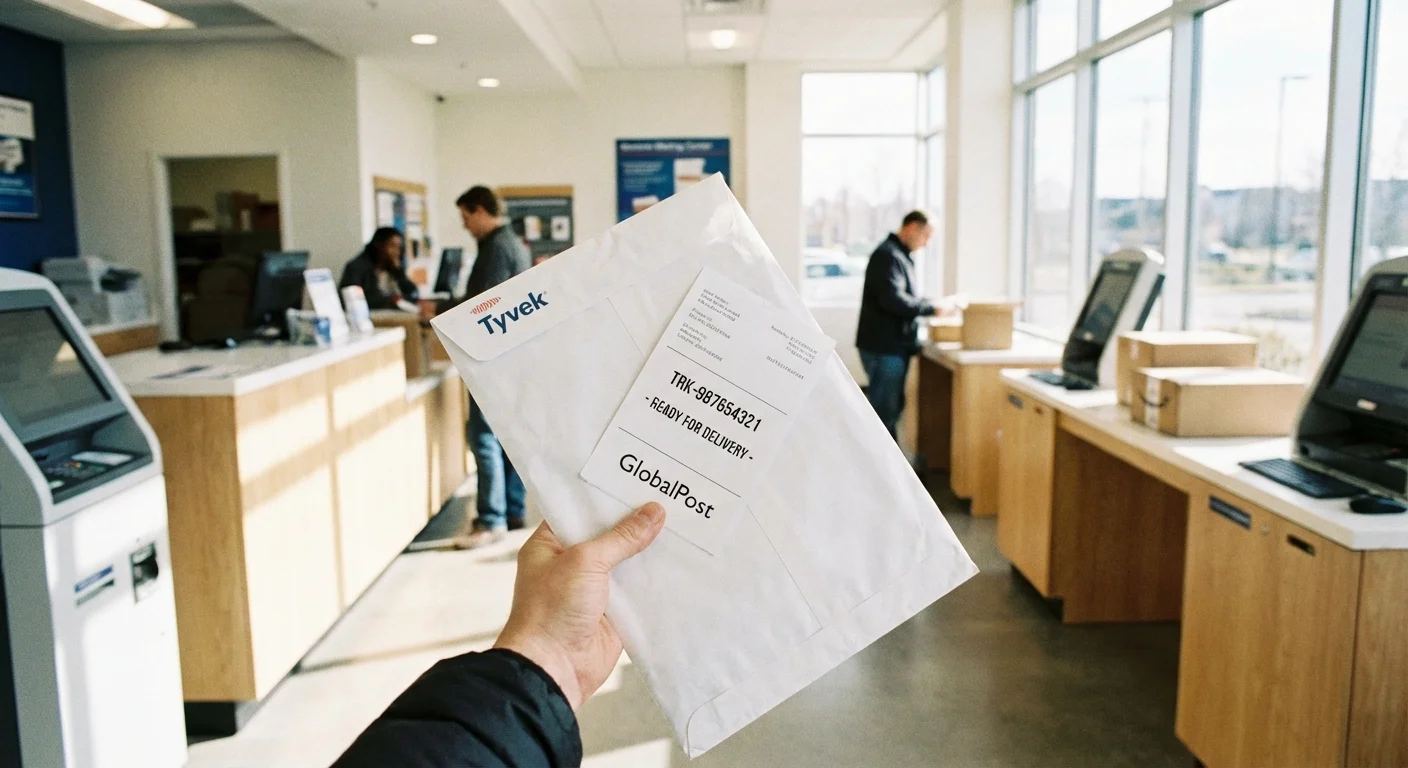
This is a critical tactical step. Send your dispute package via Certified Mail with Return Receipt Requested. This provides you with a timestamped proof of when the bureau received your letter. This starts the 30-day clock that the bureaus are legally required to follow. If they fail to respond within that window, you have grounds for a secondary complaint through the Consumer Financial Protection Bureau (CFPB).
Where to Send Your Letters
| Credit Bureau | Mailing Address |
|---|---|
| Equifax | P.O. Box 740256, Atlanta, GA 30374-0256 |
| Experian | P.O. Box 4500, Allen, TX 75013 |
| TransUnion | P.O. Box 2000, Chester, PA 19016 |

Managing the Result: What Happens Next?
Once the bureau receives your dispute, they will contact the creditor. The creditor then has a limited time to respond. You will receive a written “Results of Investigation” report. There are three possible outcomes:
- The Error is Corrected: The late payment is removed, and you will likely see a score increase in the next 30 to 60 days.
- The Entry is Updated: They may change a “90-day late” to a “30-day late.” If this is still inaccurate, you must initiate a second dispute.
- The Dispute is Denied: If they claim the information is accurate despite your evidence, do not give up. You can escalate the issue by filing a complaint with the CFPB or the Federal Trade Commission (FTC).

Professional vs. Self-Guided Credit Repair
Deciding whether to handle this yourself or hire a service depends on the complexity of your situation. Here are four scenarios to help you decide:
1. The Simple Inaccuracy: If you have one or two clear errors and the bank statements to prove them, Self-Guided is best. You will save money and ensure that the letters are customized to your specific situation.
2. High Volume of Errors: If your report is riddled with dozens of late payments across multiple accounts (often a sign of identity theft or systemic reporting errors), a Professional credit repair service or a consumer law attorney might be worth the investment. They understand the nuances of the law and can handle the sheer volume of correspondence.
3. Identity Theft: If the late payment is on an account you never opened, you should start with the Self-Guided route by filing an identity theft report at IdentityTheft.gov. This gives you additional legal protections that standard credit repair companies cannot provide.
4. Hostile Creditors: If a creditor refuses to acknowledge clear evidence, a Consumer Law Attorney may be necessary. Under the FCRA, if you win a lawsuit against a creditor for willful non-compliance, they may have to pay your legal fees and damages.

Common Mistakes to Avoid
When you dispute credit report entries, small mistakes can lead to an automatic “frivolous” designation from the bureaus. Avoid these pitfalls:
- Using “Form Letters” from the Internet: Bureaus use optical character recognition (OCR) software to flag form letters. If your letter looks exactly like 10,000 others, they may ignore it. Write your letter in your own words.
- Disputing Everything at Once: If you dispute five different things on one report at the same time, it looks suspicious. Focus on the most damaging errors first—like the inaccurate late payments—to show you are being selective and honest.
- Forgetting the Direct Dispute: Many people only write to the bureaus. Always send a copy of your dispute to the creditor’s “Address for Disputes” listed on your monthly statement.
- Not Checking for “Re-insertion”: Occasionally, a bureau will remove an error only for the creditor to report it again a month later. Monitor your report for at least 90 days after a successful deletion.

The “Goodwill” Alternative for Real Mistakes
What if the late payment isn’t an error? If you actually forgot to pay, a formal dispute under the FCRA will not work because the information is technically accurate. In this case, your only path is a Goodwill Letter. You write to the creditor, admit the mistake, explain the circumstances (e.g., a medical emergency or a job loss), and highlight your otherwise perfect payment history. You are essentially asking for a favor. While creditors are not required to grant these requests, many will do so for long-term customers as a gesture of customer service.
Frequently Asked Questions
How long does it take for my score to go up after a late payment is removed?
Once the bureau updates your report, the change is usually reflected the next time your credit score is calculated. This generally happens within 30 days of the deletion. If the late payment was recent, you might see a significant jump immediately.
Can I dispute a late payment over the phone?
You can, but it is not recommended. Phone conversations do not leave a verifiable paper trail for legal purposes. If you need to sue for an FCRA violation later, you will need the written record of your dispute and their response.
Does disputing a late payment hurt my credit score?
No. The act of disputing an item does not lower your score. However, during the investigation, the item may be temporarily hidden from certain scoring calculations, which could cause your score to fluctuate until the investigation is complete.
What if the creditor has gone out of business?
This is actually a benefit for you. If the creditor no longer exists, they cannot verify the debt when the credit bureau reaches out. Under the FCRA, if the information cannot be verified, it must be removed. This is often an “easy win” for older accounts.
Taking Charge of Your Financial Reputation
Your credit report is essentially your financial resume; you wouldn’t allow a typo on your resume to prevent you from getting a job, so don’t allow a reporting error to prevent you from building wealth. Removing an inaccurate late payment requires patience and a systematic approach. By gathering your evidence, citing your rights under the FCRA, and maintaining a clear paper trail, you can restore your score and regain access to the financial products you deserve. Start by pulling your reports today—the sooner you identify the error, the sooner you can fix it.
The information in this guide is meant for educational purposes. Your specific circumstances—including income, debt, tax situation, and goals—may require different approaches. When in doubt, consult a licensed professional or a consumer law attorney.
Last updated: February 2026. Financial regulations and rates change frequently—verify current details with official sources.



Leave a Reply